
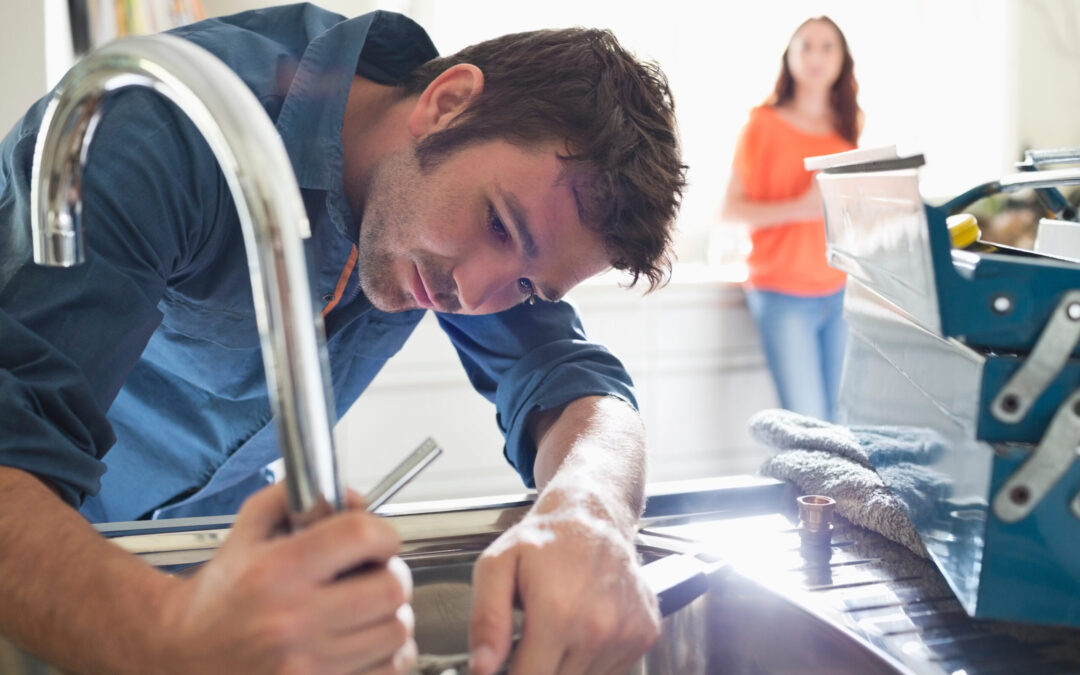
The best way to prevent costly plumbing repairs is to catch small problems early, maintain your plumbing system regularly, and address warning signs before they become emergencies. A dripping faucet, slow drain, running toilet, or small leak may seem minor, but ignoring these issues can eventually lead to water damage, inefficient plumbing, and expensive repairs. For homeowners throughout the Dallas-Fort Worth Metroplex, routine plumbing maintenance can help protect the home and keep essential systems working reliably.
Your plumbing system works every day, often without much attention. Pipes carry clean water throughout your home, drains remove wastewater, water heaters provide hot water, and fixtures such as toilets and faucets handle constant use.
Fortunately, you don’t need to be a professional plumber to take steps toward preventing plumbing problems. Learning what to watch for, performing simple maintenance, and knowing when to call a professional can help you avoid unnecessary costs.
1. Fix Small Leaks Before They Become Bigger Problems
One of the easiest ways to help prevent expensive plumbing repairs is to address leaks as soon as you notice them.
A dripping faucet may seem like nothing more than an annoyance. A small leak underneath a sink might also be easy to overlook. However, persistent leaks can waste water and potentially damage cabinets, flooring, walls, and other materials.
Periodically check common areas for signs of moisture, including:
- Under kitchen and bathroom sinks
- Around toilets
- Near water heaters
- Around washing machine connections
- Under cabinets
- Around exposed pipes
- Near outdoor faucets
Look for water stains, damp areas, mould growth, warped materials, or unexplained increases in your water bill.
If you discover a leak that you cannot safely identify or repair, having it evaluated by a professional can help prevent a small problem from becoming a much larger one.
2. Don’t Ignore Slow Drains
A slow drain is often treated as a minor inconvenience, but it can be an early warning sign of a developing blockage.
Hair, grease, soap residue, food particles, and other debris can accumulate inside drain lines over time. If the buildup continues, a partially blocked drain may eventually become completely clogged.
Instead of waiting until water stops draining, pay attention to changes in drainage speed.
Also consider whether the problem is isolated to one fixture. If several drains throughout your home become slow at the same time, the issue may involve a larger section of your plumbing system.
Professional drain cleaning can help identify and address recurring blockages rather than simply treating the symptoms.
3. Be Careful About What Goes Down Your Drains
Preventing plumbing problems often starts with what you put into your pipes.
In the kitchen, avoid pouring grease and cooking oil directly down the drain. These substances can cool inside pipes and contribute to buildup and blockages.
Instead, allow grease to cool and dispose of it appropriately.
In bathrooms, drain screens can help catch hair and other debris before they enter the plumbing.
Your toilet also needs to be treated carefully. Toilets are designed primarily for human waste and toilet paper. Flushing wipes, paper towels, feminine hygiene products, cotton products, or other unsuitable materials can contribute to clogs.
Being careful about what enters your plumbing system is a simple preventative step that can reduce avoidable drain problems.
4. Know Where Your Main Water Shutoff Valve Is
Every homeowner should know where the property’s main water shutoff valve is located.
If a pipe suddenly breaks or a major leak develops, shutting off the water quickly can help limit the amount of water entering your home while you arrange professional assistance.
Take a few minutes to locate the valve and make sure other household members know where it is.
It’s also useful to know how to shut off the individual supply valves for fixtures such as:
- Toilets
- Sinks
- Washing machines
- Water heaters
Knowing where these valves are can help you respond more quickly when something goes wrong.
5. Watch Your Water Bill
An unexplained increase in your water bill can sometimes be a sign of a plumbing problem.
If your household’s water usage hasn’t changed but your bill suddenly increases, investigate further.
Potential causes can include:
- Leaking toilets
- Dripping faucets
- Hidden pipe leaks
- Irrigation problems
- Faulty fixtures
A higher water bill doesn’t automatically mean you have a plumbing leak, but it can be an important warning sign.
You can also monitor your water meter when no one is using water. If the meter continues registering water usage while all fixtures are turned off, there may be an issue that needs further investigation.
6. Pay Attention to Your Water Heater
Your water heater is one of the most important components of your home’s plumbing system.
Signs that your water heater may need attention include:
- Inconsistent hot water
- Water that isn’t getting hot enough
- Strange or unusual noises
- Discoloured hot water
- Water around the unit
- Sudden changes in performance
Ignoring these signs can eventually result in a more disruptive failure.
Routine professional maintenance can help identify developing problems and give you a better understanding of your water heater’s condition.
If an older water heater requires repeated repairs, ask a qualified professional whether continued repairs or replacement makes more sense for your situation.
7. Check Your Toilets for Hidden Leaks
Toilet leaks can be difficult to detect because water may flow directly into the bowl.
A toilet that continues running after it has been flushed may have an issue with its internal components. Over time, that wasted water can increase your utility costs.
Listen for water running when the toilet hasn’t recently been used. You should also periodically inspect the area around the toilet base for moisture, staining, or other signs of a leak.
If your toilet frequently clogs, runs continuously, has a weak flush, or leaks around the base, it’s worth addressing the issue instead of repeatedly working around it.
8. Protect Your Pipes During Extreme Weather
Weather can put additional stress on plumbing systems.
Although North Texas doesn’t experience freezing temperatures throughout the entire winter, periods of severe cold can still affect exposed plumbing.
Before unusually cold weather arrives, pay attention to vulnerable pipes and outdoor plumbing fixtures. Proper insulation and preventative measures can help protect exposed plumbing from freezing conditions.
After extreme weather, inspect accessible plumbing for signs of damage or leaks.
Taking preventative measures before severe weather can be much easier and less expensive than dealing with the consequences of a burst pipe.
9. Don’t Put Excessive Pressure on Plumbing Fixtures
Plumbing fixtures are built for everyday use, but excessive force can damage components.
Avoid hanging heavy objects from pipes or fixtures, and don’t force faucets, valves, or handles when they become difficult to operate.
A stiff fixture may indicate corrosion, mineral buildup, worn components, or another underlying problem.
Applying excessive force could turn a relatively simple repair into a broken fixture or valve.
If a fixture suddenly becomes difficult to operate, consider having the problem assessed instead.
10. Avoid DIY Repairs Beyond Your Experience
DIY plumbing can be appropriate for simple maintenance tasks, but complex repairs can become expensive when mistakes are made.
Replacing a basic faucet or clearing a minor obstruction may be manageable for some homeowners. More complicated work involving water lines, sewer systems, gas connections, major leaks, or hidden plumbing requires considerably more care.
Improper repairs can potentially result in:
- Recurring leaks
- Water damage
- Poor drainage
- Damaged fixtures
- Safety concerns
- Additional repair costs
If you aren’t confident about a plumbing repair, it’s often better to have a qualified professional diagnose the problem.
The goal isn’t to call a plumber for every minor issue. It’s to recognise when a problem goes beyond a straightforward DIY solution.
11. Schedule Preventative Plumbing Maintenance
Preventative maintenance can help identify problems before they become emergencies.
A professional plumbing inspection can uncover issues that aren’t always obvious during normal household use.
Potential warning signs can include:
- Minor leaks
- Pipe corrosion
- Water pressure irregularities
- Aging fixtures
- Drain problems
- Water heater concerns
- Deteriorating plumbing components
Older homes may benefit particularly from regular inspections because plumbing materials and components can deteriorate over time.
Routine maintenance isn’t about guaranteeing that your plumbing system will never need a repair. Instead, it’s about identifying developing problems early and addressing them before they cause greater disruption.
12. Pay Attention to Changes in Water Pressure
Changes in water pressure can provide valuable clues about your plumbing system.
If your water pressure suddenly becomes much lower than normal, there could be an issue involving the plumbing supply, fixtures, or another component.
Excessively high water pressure can also put additional stress on pipes, fixtures, and appliances.
If you notice a significant or unexplained change in water pressure throughout your home, don’t automatically assume it’s normal.
A professional can evaluate the system and determine whether the pressure change points to an underlying problem.
Warning Signs You Shouldn’t Ignore
Knowing the warning signs of plumbing trouble can help you take action before a small issue becomes a major repair.
Consider contacting a professional if you notice:
- Persistent leaks
- Low or unusually high water pressure
- Multiple slow drains
- Frequent toilet clogs
- Sewage odours
- Water stains on ceilings or walls
- Unexplained increases in your water bill
- Noisy pipes
- Discoloured water
- Recurring plumbing problems
- Water pooling around fixtures
- Sudden changes in water pressure
- Inconsistent hot water
Some plumbing problems are easy to see, while others can remain hidden behind walls, beneath floors, or underground.
The earlier a potential problem is identified, the more opportunity you may have to address it before it causes additional damage.
Why Preventative Plumbing Maintenance Matters
Preventative plumbing maintenance isn’t about eliminating every possible repair. Plumbing systems experience normal wear, and components eventually need to be repaired or replaced.
The goal is to reduce avoidable problems and identify developing issues before they cause extensive damage.
For example, repairing a small leak may be considerably simpler than repairing water-damaged drywall, flooring, cabinets, or other parts of your home after the leak has continued for an extended period.
Similarly, addressing a recurring drain problem early may help identify why the blockage keeps returning instead of repeatedly treating the same symptom.
Think of preventative maintenance as protecting the entire plumbing system rather than simply fixing individual problems when they fail.
How DFW ServiceMasters Helps Prevent Costly Plumbing Repairs
Homeowners don’t always know what’s causing a leak, slow drain, water pressure change, or other plumbing warning sign. That’s where professional diagnosis and preventative maintenance can make a difference.
DFW ServiceMasters provides plumbing and home service solutions throughout the Dallas-Fort Worth Metroplex, with a focus on dependable service, professional workmanship, clear communication, and long-term reliability. The company’s plumbing services include plumbing repairs and fixture installation, water heater repair and replacement, leak detection, sewer and drain cleaning, toilet and faucet services, and preventative plumbing maintenance.
According to the company’s About Us information, DFW ServiceMasters emphasises preventative care, accurate diagnostics, and professional installation practices designed to help prevent recurring plumbing problems. Its technicians look for underlying issues such as minor leaks, pipe corrosion, pressure irregularities, and aging components that could otherwise go unnoticed.
This approach is important because repairing the immediate symptom isn’t always enough. If a drain keeps clogging, a leak repeatedly appears, or water pressure changes unexpectedly, understanding the underlying cause can help homeowners make a more informed decision about the appropriate repair.
DFW ServiceMasters also serves homeowners throughout the Dallas-Fort Worth Metroplex and understands regional considerations that can affect North Texas homes, including slab foundations, regional water conditions, and aging infrastructure.
The company’s service philosophy also centres on honest recommendations, transparent pricing, dependable scheduling, and long-term customer relationships rather than unnecessary upselling.
When Should You Call a Professional Plumber?
You don’t necessarily need professional assistance for every minor plumbing issue. However, certain situations warrant professional attention.
Consider contacting a qualified plumber when:
- You can’t identify the source of a leak
- Multiple drains are clogged
- Your sewer line may be blocked
- Your water heater is malfunctioning
- Water pressure suddenly changes
- You have a major leak
- You smell sewage or gas
- A pipe has burst
- DIY repairs haven’t solved the problem
- A plumbing issue keeps returning
- You’re dealing with work beyond your experience
DFW ServiceMasters provides plumbing repairs, water heater services, leak detection, sewer and drain cleaning, fixture installation, and preventative plumbing maintenance throughout the Dallas-Fort Worth area.
For homeowners who aren’t sure whether a plumbing problem requires immediate attention, having the issue professionally evaluated can help identify the cause and determine the most appropriate next step.
Simple Plumbing Maintenance Checklist
Use this quick checklist to stay ahead of potential plumbing problems:
- Check under sinks for moisture or leaks
- Inspect visible pipes for corrosion
- Listen for running toilets
- Watch for slow drains
- Avoid putting grease down kitchen drains
- Keep unsuitable items out of toilets
- Monitor unusual changes in water bills
- Check water heater performance
- Locate your main water shutoff valve
- Monitor changes in water pressure
- Protect exposed plumbing during extreme cold
- Address recurring plumbing problems
- Schedule preventative plumbing inspections when appropriate
Final Thoughts
Preventing costly plumbing repairs starts with paying attention to the small things.
Fix leaks promptly, watch for slow drains, be careful about what goes down your pipes, monitor your water bill, check your water heater, and learn where your main water shutoff valve is located.
Most importantly, don’t ignore recurring problems.
A plumbing issue that keeps coming back may be a sign that there is a deeper problem that needs professional attention. Addressing the underlying cause can help protect your home and potentially reduce the risk of a much more expensive repair later.
For homeowners in the Dallas-Fort Worth Metroplex, preventative maintenance can be an important part of keeping a plumbing system reliable. DFW ServiceMasters combines plumbing repair, leak detection, drain and sewer services, water heater services, fixture repairs, and preventative maintenance with a focus on accurate diagnosis and long-term solutions.
If you’re experiencing a plumbing issue or want to address a potential problem before it becomes an emergency, DFW ServiceMasters can help you understand the issue and determine the appropriate solution.
Call 817-528-6313 to schedule service or request a quote.
Frequently Asked Questions
How can I prevent costly plumbing repairs?
Regular maintenance, prompt leak repairs, careful drain use, monitoring water pressure and water bills, and professional inspections can help identify plumbing problems before they become more serious.
What are the most common signs of a plumbing problem?
Common warning signs include leaks, slow drains, recurring clogs, running toilets, unusual water pressure, water stains, sewage odours, discoloured water, and unexplained increases in water usage.
How often should plumbing be inspected?
The appropriate inspection schedule depends on the age and condition of your plumbing system, previous problems, and the type of property. Older homes or properties with recurring plumbing issues may benefit from more frequent professional assessments.
Can a small plumbing leak become a major problem?
Yes. Even a small leak that continues over time can contribute to water waste and damage to surrounding materials. Hidden leaks can be particularly difficult to notice until they cause visible damage.
When should I call a professional plumber?
Call a professional when you have a major leak, recurring drain problems, unexplained water pressure changes, water heater issues, sewer concerns, hidden leaks, or plumbing work that goes beyond your experience.
Does DFW ServiceMasters provide preventative plumbing maintenance?
Yes. DFW ServiceMasters provides preventative plumbing maintenance designed to identify early warning signs such as minor leaks, pipe corrosion, pressure irregularities, and aging components before they develop into larger problems.
What areas does DFW ServiceMasters serve?
DFW ServiceMasters serves homeowners throughout the Dallas-Fort Worth Metroplex and surrounding communities.