
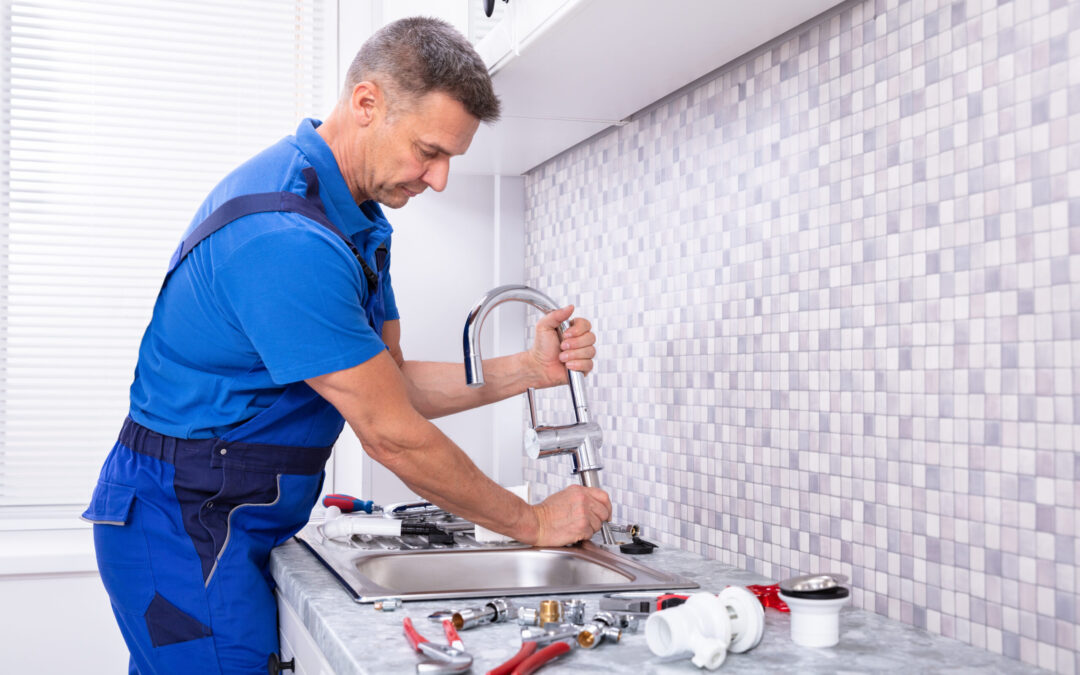
Plumbing problems are among the most common and frustrating issues homeowners encounter. From dripping faucets and clogged drains to hidden leaks and water heater failures, even minor plumbing issues can quickly escalate into costly repairs if left unaddressed.
For homeowners throughout the Dallas–Fort Worth Metroplex, unique regional factors such as shifting clay soil, hard water, extreme summer temperatures, and aging infrastructure can place additional stress on residential plumbing systems. Understanding the most common plumbing problems and knowing when to seek professional help can save time, money, and prevent significant property damage. For a broader overview of professional plumbing solutions and home improvement services available in the area, be sure to explore our Dallas–Fort Worth Plumbing & Remodeling Experts guide, which covers essential services that help homeowners maintain, repair, and upgrade their properties.
At DFW ServiceMasters, we help homeowners throughout Dallas–Fort Worth diagnose and resolve plumbing issues before they become major headaches. Here are some of the most common plumbing problems homeowners face and what you can do about them.
Leaky Faucets
A dripping faucet may seem like a minor annoyance, but it can waste a surprising amount of water over time.
Most faucet leaks occur due to:
- Worn washers
- Damaged O-rings
- Corroded valve seats
- Loose components
- High water pressure
Even a slow drip can increase your water bill and contribute to unnecessary water waste. Fortunately, many faucet issues can be repaired quickly when addressed early.
If multiple faucets throughout your home begin leaking, it may indicate a larger plumbing issue that requires professional inspection.
Clogged Drains
Clogged drains are one of the most frequent plumbing calls homeowners make each year.
Kitchen drains commonly become blocked by:
- Grease buildup
- Food particles
- Soap residue
- Coffee grounds
Bathroom drains often clog because of:
- Hair accumulation
- Soap scum
- Personal care products
- Mineral deposits
While chemical drain cleaners may seem like a quick solution, they can damage pipes over time. Professional drain cleaning provides a safer and more effective way to remove stubborn blockages and restore proper flow. Addressing drainage issues early can also help prevent related plumbing problems that may lead to costly services such as Water Heater Repair, especially when buildup and plumbing system inefficiencies begin affecting overall household performance.
Recurring clogs often indicate deeper issues within the drainage system that should be professionally evaluated.
Running Toilets
A running toilet can waste hundreds of gallons of water every day if left unrepaired.
Common causes include:
- Faulty flapper valves
- Damaged fill valves
- Improper float adjustment
- Worn seals
Many homeowners delay repairs because the toilet continues to function. However, the increased water consumption can significantly impact monthly utility bills.
If your toilet continuously runs or frequently refills between uses, it’s time to have the system inspected.
Low Water Pressure
Few things are more frustrating than weak water flow during a shower or while washing dishes.
Low water pressure may result from:
- Mineral buildup in pipes
- Corroded plumbing lines
- Hidden leaks
- Faulty pressure regulators
- Municipal supply issues
In Dallas–Fort Worth, hard water can contribute to mineral accumulation inside pipes and fixtures, gradually reducing water flow throughout the home.
A professional plumbing inspection can identify the root cause and restore proper water pressure before the issue worsens. Maintaining proper water pressure is especially important when planning home improvement projects such as Kitchen Remodeling Dallas-Forth Worth, as plumbing performance directly impacts the functionality of sinks, dishwashers, refrigerators, and other essential kitchen fixtures.
Water Heater Problems
Reliable hot water is essential for daily comfort.
Unfortunately, water heaters experience wear and tear over time, leading to problems such as:
- Inconsistent hot water
- No hot water
- Strange noises
- Rust-colored water
- Water leaks
- Rising energy bills
Sediment buildup is particularly common in North Texas due to hard water conditions. As sediment accumulates inside the tank, efficiency decreases and components experience additional strain.
Regular water heater maintenance can help extend equipment life and improve performance.
Hidden Water Leaks
Not all plumbing leaks are obvious.
Hidden leaks behind walls, under floors, or beneath foundations can cause significant damage before homeowners realize a problem exists.
Warning signs include:
- Unexpected increases in water bills
- Damp drywall
- Mold growth
- Musty odors
- Warped flooring
- Reduced water pressure
Advanced leak detection equipment allows plumbers to locate hidden leaks without unnecessary demolition or property damage.
Addressing leaks early can prevent expensive repairs and protect your home’s structural integrity.
Slab Leaks
Slab leaks are a serious concern for many Dallas–Fort Worth homeowners.
A slab leak occurs when water lines beneath a home’s concrete foundation develop leaks. The expansive clay soils common throughout North Texas can contribute to shifting foundations, increasing stress on underground plumbing systems.
Signs of a slab leak may include:
- Warm spots on flooring
- Cracks in walls or floors
- Higher water bills
- Running water sounds when fixtures are off
- Foundation movement
Because slab leaks can compromise both plumbing systems and structural foundations, prompt professional attention is critical.
Sewer Line Problems
Your sewer line is responsible for carrying wastewater away from your home.
When sewer line issues occur, they can create unpleasant and potentially hazardous conditions.
Common causes include:
- Tree root intrusion
- Pipe corrosion
- Ground shifting
- Blockages
- Aging infrastructure
Signs of sewer line trouble often include:
- Multiple drain backups
- Gurgling sounds
- Foul odors
- Slow drains throughout the home
- Sewage backups
Professional sewer camera inspections allow plumbers to accurately diagnose underground issues and recommend the most effective solution. Modern diagnostic tools help minimize guesswork and unnecessary excavation.
Burst Pipes
Burst pipes can cause extensive water damage within minutes.
Although Dallas–Fort Worth is known for its hot summers, occasional winter freezes can catch homeowners off guard. When water inside pipes freezes and expands, pipes may crack or burst.
Other causes include:
- Corrosion
- Excessive water pressure
- Aging pipes
- Poor installation
If a pipe bursts:
- Shut off the main water supply immediately.
- Turn off electricity near affected areas if necessary.
- Contact a professional plumber.
- Begin water removal and damage mitigation.
Fast response is essential to minimize structural damage and mold growth.
Hard Water Issues
Hard water is a common challenge throughout North Texas.
Water containing high concentrations of dissolved minerals can affect both plumbing systems and household appliances.
Common symptoms include:
- White residue on fixtures
- Soap scum buildup
- Reduced appliance efficiency
- Dry skin and hair
- Scale accumulation inside pipes
Over time, mineral deposits can restrict water flow and increase strain on plumbing components.
Water treatment solutions such as water softeners can help reduce these effects and extend the lifespan of your plumbing system.
Garbage Disposal Problems
Garbage disposals simplify kitchen cleanup but can develop problems when used improperly.
Common disposal issues include:
- Jammed blades
- Clogs
- Motor failure
- Leaks
- Strange noises
Items that should never enter a garbage disposal include:
- Grease
- Bones
- Fibrous vegetables
- Coffee grounds
- Eggshells
Routine maintenance and proper use can significantly reduce disposal-related plumbing problems.
Sump Pump Failures
Although not every Dallas–Fort Worth home has a sump pump, homes prone to flooding often rely on these systems for protection.
A sump pump failure during heavy rainfall can result in:
- Basement flooding
- Foundation damage
- Mold growth
- Property loss
Regular testing and maintenance help ensure sump pumps function properly when needed most.
Why Plumbing Problems Are Common in Dallas–Fort Worth
Several regional factors contribute to plumbing challenges across North Texas.
Expansive Clay Soil
The area’s clay-rich soil expands during wet periods and contracts during dry conditions. This constant movement places stress on underground pipes and foundations.
Hard Water
Mineral-rich water accelerates scale buildup within plumbing systems, reducing efficiency and increasing maintenance needs.
Aging Homes
Many Dallas–Fort Worth neighborhoods contain older homes with aging plumbing infrastructure that may require repairs or upgrades.
Extreme Weather Conditions
Texas weather can shift rapidly from freezing temperatures to intense summer heat, creating additional stress on plumbing systems.
Preventing Common Plumbing Problems
While not every plumbing issue can be avoided, homeowners can reduce their risk through proactive maintenance.
Best practices include:
- Scheduling routine plumbing inspections
- Addressing small leaks promptly
- Avoiding chemical drain cleaners
- Monitoring water pressure
- Flushing water heaters annually
- Insulating exposed pipes
- Installing water softeners when appropriate
- Watching for signs of hidden leaks
Preventive maintenance often costs far less than emergency repairs.
When to Call a Professional Plumber
Some plumbing problems require immediate professional attention.
Contact a plumber if you experience:
- Burst pipes
- Sewer backups
- Slab leaks
- No hot water
- Persistent drain clogs
- Significant water pressure loss
- Major leaks
- Water damage
Many DFW homeowners also prioritize plumbers who provide clear communication, accurate diagnostics, and honest recommendations rather than unnecessary upselling. Community discussions frequently highlight the importance of choosing experienced professionals who focus on long-term solutions rather than temporary fixes.
Trust DFW ServiceMasters for Reliable Plumbing Solutions
At DFW ServiceMasters, we understand the unique plumbing challenges homeowners face throughout Dallas–Fort Worth. Whether you’re dealing with a leaking faucet, water heater issue, sewer line problem, or emergency plumbing repair, our experienced team provides dependable solutions designed to protect your home and restore peace of mind.
Our commitment to quality workmanship, accurate diagnostics, and customer-focused service helps homeowners address plumbing problems quickly and effectively before they become more costly repairs. Whether you’re dealing with a stubborn drain clog, hidden leak, water heater issue, or a more complex plumbing concern, the team at DFW ServiceMasters is ready to help. Contact us today to schedule a professional inspection and discover why homeowners throughout the Dallas–Fort Worth area trust us for reliable plumbing solutions and exceptional service.
Frequently Asked Questions
What is the most common plumbing problem in Dallas–Fort Worth?
Clogged drains, leaky faucets, running toilets, and hidden water leaks are among the most common plumbing issues homeowners face throughout the Dallas–Fort Worth Metroplex.
Why do slab leaks occur in North Texas?
The expansive clay soil found throughout North Texas can shift significantly as moisture levels change. This movement places stress on underground plumbing lines and may contribute to slab leaks over time.
How do I know if I have a hidden water leak?
Common warning signs include unexplained increases in water bills, mold growth, damp walls, musty odors, and reduced water pressure.
How often should I have my plumbing system inspected?
Most homeowners should schedule a professional plumbing inspection at least once per year to identify potential issues before they become major problems.
Does hard water damage plumbing?
Hard water can cause mineral buildup inside pipes, water heaters, and fixtures. Over time, this buildup may reduce efficiency, restrict water flow, and shorten the lifespan of plumbing components.
When should I replace my water heater?
Most traditional water heaters last between 8 and 12 years. If your unit is producing rusty water, leaking, making unusual noises, or struggling to provide hot water, replacement may be necessary.
Can I use chemical drain cleaners to remove clogs?
Chemical drain cleaners may provide temporary relief but can damage pipes over time. Professional drain cleaning is generally safer and more effective.
What should I do if a pipe bursts?
Immediately shut off your home’s main water supply, contact a licensed plumber, and begin removing standing water to minimize property damage.