
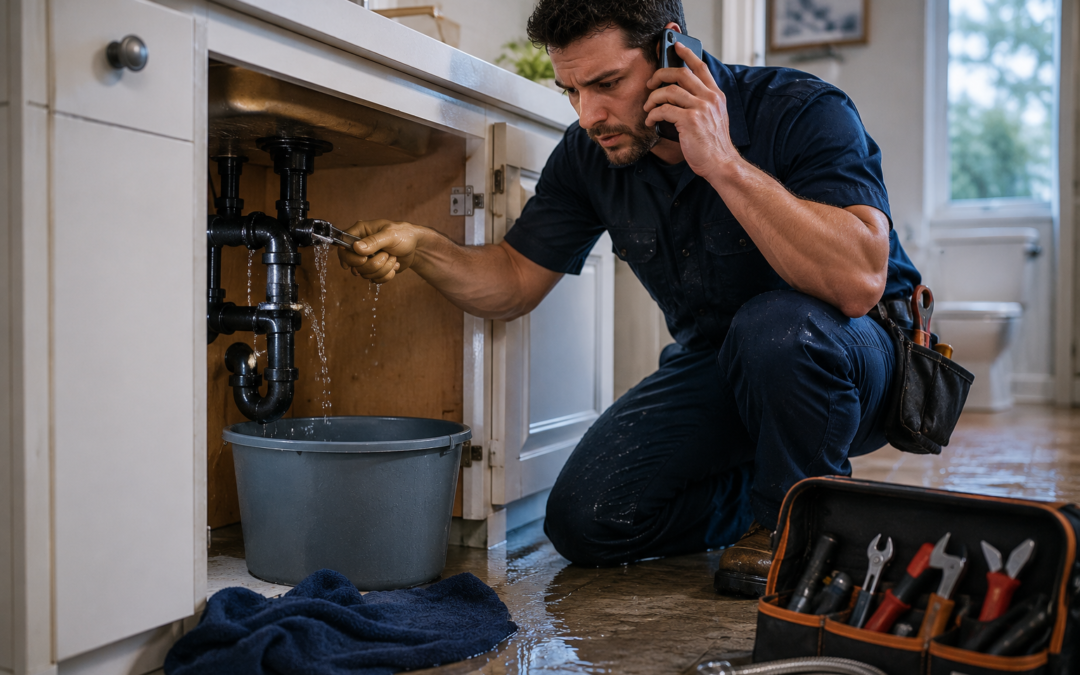
Plumbing emergencies rarely happen at a convenient time. A burst pipe in the middle of the night, a backed-up sewer line before guests arrive, or a water heater that suddenly stops working can quickly disrupt your daily routine and cause significant damage to your home.
While some plumbing issues can wait for a scheduled appointment, others require immediate attention from a licensed professional. Knowing the difference can help you prevent costly repairs, protect your property, and restore your plumbing system as quickly as possible.
For homeowners in the Dallas-Fort Worth Metroplex, understanding the warning signs of a plumbing emergency is the first step toward minimizing damage. In this guide, we’ll explain what qualifies as a plumbing emergency, when to call a professional plumber, and how acting quickly can save you time, money, and stress.
What Is Considered a Plumbing Emergency?
A plumbing emergency is any issue that poses an immediate risk to your home, health, or safety. These problems often involve uncontrolled water, sewage, gas lines, or a complete loss of essential plumbing services.
Common plumbing emergencies include:
- Burst pipes
- Major water leaks
- Sewer line backups
- Overflowing toilets that won’t stop
- No running water
- Gas line leaks
- Water heater failures causing leaks
- Frozen or broken pipes during cold weather
If a plumbing problem has the potential to damage your home or create unsafe conditions, it’s best to contact a professional plumber as soon as possible.
Why You Should Never Ignore a Plumbing Emergency
Waiting too long to address a plumbing emergency can make a bad situation much worse.
Even a small amount of water can damage:
- Drywall
- Hardwood flooring
- Cabinets
- Furniture
- Electrical systems
- Insulation
Standing water can also create ideal conditions for mold growth, which may begin developing within 24 to 48 hours.
In addition to property damage, certain plumbing emergencies can create health and safety risks. Sewer backups expose your family to harmful bacteria, while gas leaks present the potential for fire, explosion, or carbon monoxide exposure.
Prompt professional repairs can minimize damage, reduce repair costs, and restore your home’s plumbing system safely.
1. Burst Pipes
A burst pipe is one of the most serious plumbing emergencies a homeowner can experience.
Pipes can burst due to:
- Freezing temperatures
- Aging plumbing
- Corrosion
- Excessive water pressure
- Tree root intrusion
- Physical damage
Once a pipe bursts, water can flood your home within minutes.
Signs of a burst pipe include:
- Sudden flooding
- Water stains appearing quickly
- Reduced water pressure
- Water pooling inside or outside the home
- Unusually high water bills
What You Should Do
If you suspect a burst pipe:
- Shut off your home’s main water supply.
- Turn off electricity if water is near electrical outlets or appliances.
- Remove valuable belongings from the affected area if it’s safe to do so.
- Contact a licensed emergency plumber immediately.
Avoid attempting major pipe repairs yourself, as improper repairs can make the damage worse.
2. Major Water Leaks
Not every leak is an emergency, but large or uncontrolled leaks should never be ignored.
Examples include:
- Water pouring from ceilings
- Broken water supply lines
- Leaking water heaters
- Cracked pipes
- Water spraying from plumbing fixtures
Major leaks can quickly damage flooring, walls, and structural components of your home.
Professional plumbers have specialized leak detection equipment that allows them to identify the source and complete repairs efficiently.
3. Sewer Line Backups
Few plumbing emergencies are more unpleasant than a sewer backup.
A blocked or damaged sewer line prevents wastewater from leaving your home, causing it to back up into sinks, bathtubs, showers, or toilets.
Warning signs include:
- Multiple drains backing up simultaneously
- Gurgling sounds from toilets
- Slow drains throughout the home
- Sewage odors indoors or outdoors
- Water backing up into showers after flushing a toilet
Because sewage contains harmful bacteria and contaminants, avoid contact with the wastewater and call a professional plumber immediately.
Specialized equipment such as sewer cameras allows plumbers to identify the exact cause of the blockage, whether it’s tree roots, grease buildup, pipe damage, or other obstruction.
4. Overflowing Toilets
A toilet that continues overflowing after flushing can quickly flood your bathroom.
Common causes include:
- Severe drain blockages
- Sewer line problems
- Faulty float mechanisms
- Clogged toilet traps
What You Should Do
First, turn off the toilet’s water supply valve located behind the toilet.
If the water continues rising or multiple toilets begin backing up, the problem may involve your home’s main sewer line.
Avoid repeatedly flushing the toilet, as this may worsen the overflow.
A professional plumber can safely clear the blockage and determine whether additional repairs are necessary.
5. No Running Water
Losing access to running water is a serious inconvenience and often indicates a significant plumbing issue.
Possible causes include:
- Broken water mains
- Frozen pipes
- Major leaks
- Water supply valve failures
- Plumbing system damage
If your neighbors still have water but your home does not, contact a licensed plumber to diagnose the problem as soon as possible.
6. Gas Line Leaks
Gas line problems require immediate attention because they pose serious safety risks.
Natural gas is highly flammable, and even a small leak can become dangerous if left unaddressed.
Signs of a Gas Leak
Watch for these warning signs:
- A strong sulfur or rotten egg smell
- Hissing sounds near gas lines
- Dead or dying vegetation around buried gas lines
- Dizziness or headaches while indoors
- Nausea or fatigue without another obvious cause
What You Should Do
If you suspect a gas leak:
- Leave your home immediately.
- Do not turn lights or electrical appliances on or off.
- Avoid using phones or electronic devices inside the home.
- Shut off the gas supply only if it is safe to do so and you know how.
- Call your gas utility provider and emergency services from a safe location.
- Contact a licensed plumber experienced in gas line repairs after the area has been declared safe.
Never attempt to repair a gas line yourself.
7. Water Heater Leaks or Failure
Your water heater provides hot water for showers, laundry, dishwashing, and other daily tasks. When it suddenly stops working or begins leaking, it can quickly become an emergency.
Common warning signs include:
- Water pooling around the water heater
- No hot water
- Rust-colored water
- Unusual banging or popping sounds
- Water dripping from the tank
- Fluctuating water temperatures
A leaking water heater can cause water damage if left unattended, while older units with significant corrosion may require replacement instead of repair.
If you notice water around your water heater, turn off the water supply to the unit if possible and contact a professional plumber promptly.
8. Slab Leaks
Many homes throughout the Dallas-Fort Worth area are built on concrete slab foundations. When water lines beneath the slab develop leaks, they can threaten your home’s structural integrity.
Because slab leaks occur beneath the foundation, they are often difficult to detect without specialized equipment.
Signs of a Slab Leak
Look for:
- Warm spots on your floor
- Cracks in walls or flooring
- Damp flooring without an obvious source
- Mold or mildew odors
- Rising water bills
- The sound of running water when no fixtures are in use
Slab leaks should always be evaluated by a licensed plumber as soon as possible to minimize foundation damage.
9. Frozen or Damaged Pipes
Although North Texas experiences milder winters than many parts of the country, freezing temperatures can still damage exposed plumbing.
Frozen pipes may:
- Restrict water flow
- Crack as water expands
- Burst once temperatures rise
If you suspect frozen pipes:
- Leave faucets slightly open to relieve pressure.
- Warm exposed pipes gradually using a safe heat source.
- Never use an open flame.
- Contact a professional plumber if the pipe has burst or remains frozen.
Taking quick action can help prevent flooding when temperatures begin to rise.
10. Multiple Plumbing Fixtures Stop Working
When several plumbing fixtures stop working at the same time, the problem often extends beyond an individual drain or faucet.
Examples include:
- Toilets backing up while sinks drain slowly
- Multiple showers losing water pressure
- Kitchen and bathroom drains clogging simultaneously
- Water backing up into tubs after flushing toilets
These symptoms frequently indicate:
- Sewer line blockages
- Main drain issues
- Water supply problems
- Major plumbing system failures
A professional plumber has the equipment needed to inspect the entire plumbing system and identify the root cause.
What to Do Before the Plumber Arrives
Taking the right steps while waiting for emergency plumbing services can help minimize damage.
Shut Off the Water
If water is actively leaking, locate your home’s main water shutoff valve and turn it off.
Stopping the water supply can significantly reduce flooding and property damage.
Turn Off the Water Heater
If your water heater is leaking or your home’s water supply has been shut off, turning off the water heater helps prevent additional damage to the unit.
Remove Valuable Items
Move furniture, rugs, electronics, and other valuable belongings away from standing water whenever it is safe to do so.
Contain the Water
Use towels, buckets, or a wet vacuum to remove as much water as possible until professional help arrives.
Avoid DIY Repairs
Temporary solutions such as tape, sealants, or chemical drain cleaners often fail to solve the underlying problem.
Professional plumbers have specialized equipment to perform safe, long-lasting repairs.
The Importance of Fast Emergency Plumbing Repairs
Prompt repairs can prevent a minor plumbing issue from becoming a major restoration project.
Fast response helps:
- Reduce water damage
- Prevent mold growth
- Protect flooring and drywall
- Preserve your home’s foundation
- Restore essential plumbing services
- Lower overall repair costs
Even if the problem appears manageable, having it evaluated by a licensed plumber provides peace of mind and helps prevent future complications.
Why Homeowners Choose DFW ServiceMasters
When plumbing emergencies happen, you need a company you can trust to respond with experience and professionalism.
DFW ServiceMasters provides reliable plumbing services for homeowners throughout the Dallas-Fort Worth Metroplex. Whether you’re dealing with a burst pipe, sewer backup, leaking water heater, clogged drain, or another urgent plumbing issue, the team is committed to delivering dependable solutions that restore your home’s plumbing safely and efficiently.
Services include:
- Emergency plumbing repairs
- Leak detection and repair
- Water heater repair and replacement
- Sewer and drain cleaning
- Toilet repair and replacement
- Faucet repair and installation
- Gas line installation and repair
- General residential plumbing services
With experienced technicians, quality workmanship, and honest recommendations, DFW ServiceMasters focuses on solving plumbing problems correctly the first time.
Frequently Asked Questions
What qualifies as a plumbing emergency?
A plumbing emergency includes any issue that threatens your home, health, or safety, such as burst pipes, sewer backups, gas leaks, major water leaks, or the complete loss of running water.
Should I turn off my water during a plumbing emergency?
Yes. If you have a burst pipe or significant leak, shutting off your home’s main water supply can help reduce water damage until a plumber arrives.
Can a leaking water heater become an emergency?
Yes. Water heater leaks can cause flooding, damage surrounding areas, and indicate internal tank failure. Prompt inspection and repair are recommended.
Is a clogged drain considered an emergency?
A single slow drain may not require immediate service. However, if multiple drains are backing up or sewage is entering your home, you should contact a professional plumber right away.
How can I reduce plumbing emergencies?
Regular plumbing inspections, routine maintenance, addressing small leaks early, and avoiding improper disposal of grease or non-flushable items can help reduce the likelihood of emergencies.
Final Thoughts
Plumbing emergencies can happen without warning, but knowing how to recognize the signs and respond quickly can make all the difference. Whether you’re dealing with a burst pipe, sewer backup, gas line issue, or major leak, taking immediate action helps protect your home, your belongings, and your family’s safety.
If you’re facing a plumbing emergency in the Dallas-Fort Worth area, DFW ServiceMasters is ready to help with dependable service and professional repairs. From emergency plumbing and leak detection to water heater repairs and sewer line solutions, our experienced team is committed to restoring your plumbing system efficiently so you can get back to normal with confidence.